Key takeaway
Medical care comes first even more strongly on a motorcycle, because injuries can be serious even when you feel okay. Don't remove your helmet unless you have to, preserve your gear, and document as usual. Get checked promptly.
Injuries first, always
On a bike there's no frame around you, so the priority on getting checked is even higher. If you're hurt or unsure, stay still and let 911 responders come to you. If anyone else is down, call it in immediately.
A note on your helmet
Unless you need to remove it to breathe or a responder tells you to, many safety sources suggest leaving your helmet on until help arrives, because moving your head and neck after an impact can make certain injuries worse. Once you're clear, keep the helmet: don't toss it, and don't put it back into use. It's part of the record of the impact.
Preserve your gear
Jacket, gloves, boots, the bike itself: photograph all of it before anything gets cleaned up or repaired. Gear that did its job tells the story of the crash, so keep it as-is for now.
Then the standard steps
- Get to safety and turn on hazards if you can
- Call the police and get the report number
- Exchange information with anyone else involved
- Photograph the scene, the vehicles, and the road
- Find witnesses if there are any
The general first-10-minutes checklist applies here too.
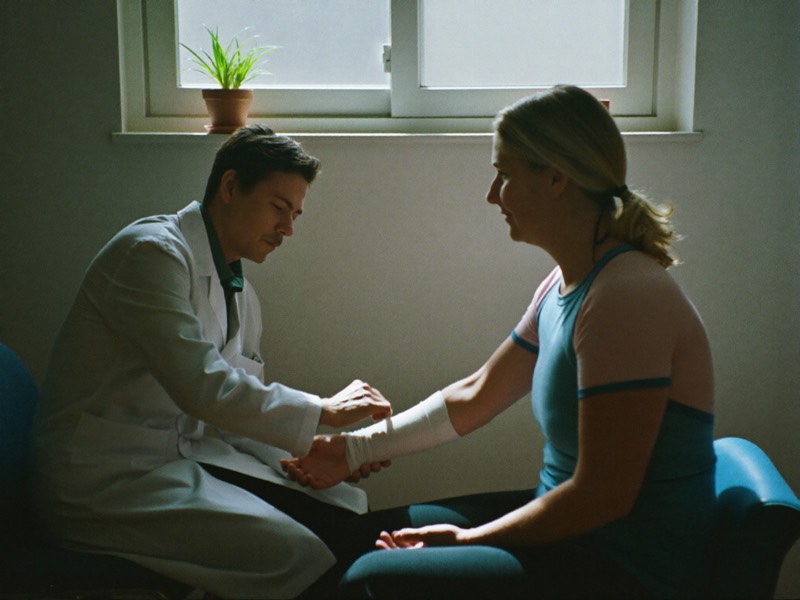
Get checked, even if you feel okay
Adrenaline hides a lot, and that's especially worth respecting after a motorcycle crash. Getting looked at soon, and keeping every record, is the same advice as any accident, just with more reason to take it seriously.
If you’d like a free consultation with an independent participating law firm, just reach out.
Sources
- National Highway Traffic Safety Administration (nhtsa.gov)
- Centers for Disease Control and Prevention — Transportation Safety (cdc.gov)
- USA.gov — Motor vehicle services and accident basics (usa.gov)