Key takeaway
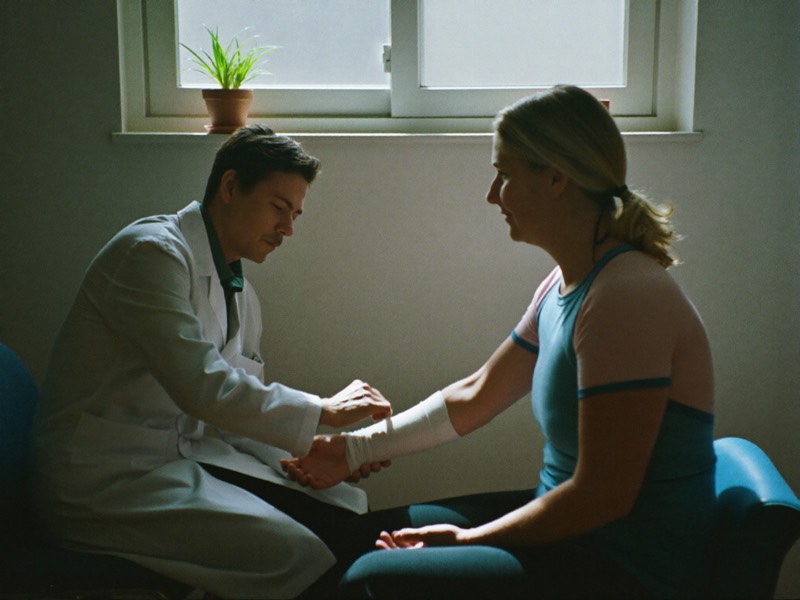
Some injuries show up hours or days later. Many people get checked even when they feel fine, and keeping every medical record in one place makes everything that follows simpler.
Where do people usually go?
- Emergency room — for anything serious or frightening, or when 911 responders recommend it.
- Urgent care or a clinic — a common choice for same-day checks when it doesn’t feel like an emergency.
- Your own doctor — for follow-ups, lingering soreness, and anything that develops later.
Why do people get checked even when they feel fine?
Adrenaline is genuinely good at hiding how a body feels. Safety agencies note that some crash injuries — soreness, stiffness, headaches — commonly appear a day or two later. A prompt check creates a clear picture of how you actually are, close in time to what happened.
Why do the records matter?
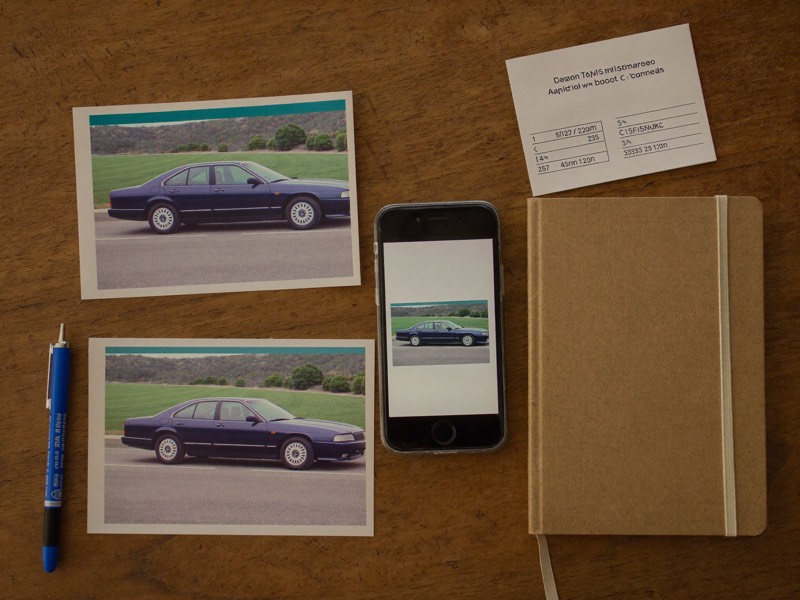
Visit summaries, instructions, and receipts document what happened and what it took to recover. Keep them together with your photos and the police report number — one folder, everything in it.
General information, not legal advice. Every situation is different — consult a licensed attorney about your specific circumstances.
If you’d like a free consultation with an independent participating law firm, just reach out.
Sources
- National Highway Traffic Safety Administration (nhtsa.gov)
- Centers for Disease Control and Prevention — Transportation Safety (cdc.gov)
- USA.gov — Motor vehicle services and accident basics (usa.gov)