
Key takeaway
The three most common: not getting checked because you felt fine, not getting the police report number before everyone left, and letting the paperwork scatter instead of keeping it in one place.
1. Not getting checked, because they felt fine
This is the big one, and it's completely understandable. You feel okay, you want to be done with the whole thing, and going to a doctor feels like an overreaction.
Then the stiffness arrives on Wednesday. Getting checked early is a small cost on a day that's already bad, and it means a professional has looked at you close in time to what happened. More on why symptoms show up late.
2. Not getting the police report number before everyone left
At the scene there's a lot happening and the officer is busy. It's easy to assume you'll sort out the paperwork later.
Later is harder. Ask, while the officer is standing there: how do I get a copy of this report, and what's the number? Write it down or photograph your own note. It's ten seconds that saves a lot of phone calls.
3. Letting the paperwork scatter
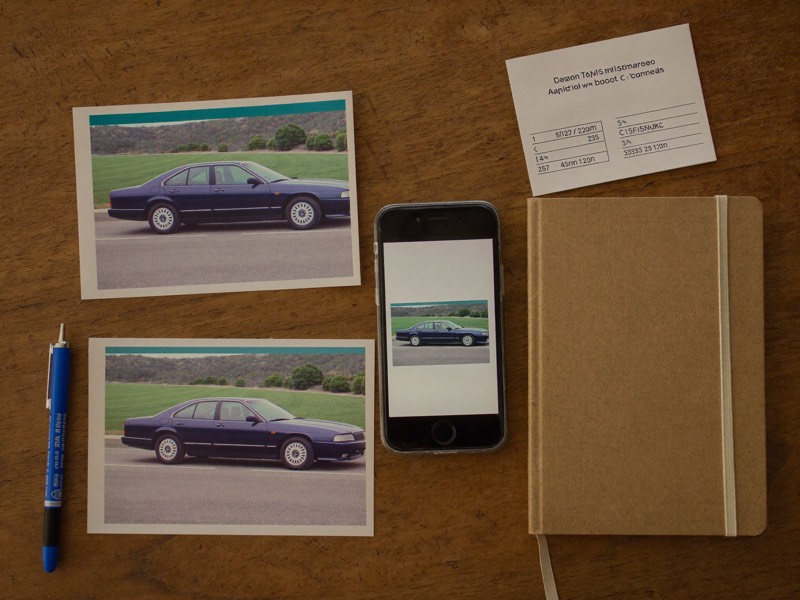
Photos on the phone. Report number on a napkin. Medical receipt in a coat pocket. The estimate in an email. None of it is lost, exactly, but pulling it together in a month is a genuinely annoying afternoon.
One folder, paper or on your phone, added to the day you get each thing. That's the entire trick. Here's the list of what's worth keeping.
The pattern
None of these are dramatic errors. They're just the small things that are easy to skip on a bad day, and slightly painful to reconstruct later. Fixing all three costs about fifteen minutes, total.
If you’d like a free consultation with an independent participating law firm, just reach out.
Sources
- National Highway Traffic Safety Administration (nhtsa.gov)
- Centers for Disease Control and Prevention — Transportation Safety (cdc.gov)
- USA.gov — Motor vehicle services and accident basics (usa.gov)