Key takeaway
A police report is an official, third-party record of the crash: who was involved, when and where, and the responding officer's notes. Ask the officer at the scene how to get a copy and what the report number is. It's one of the most useful documents you can have.
What's actually in it
A police report is the responding officer's written record of the crash. It typically includes the date, time, and location, the drivers and vehicles involved, insurance details, any witnesses, a diagram of how the vehicles came together, weather and road conditions, and the officer's own narrative of what they observed.
It's valuable for one simple reason: it's a neutral, third-party account created right at the scene, not weeks later from memory.
Do the police always come?
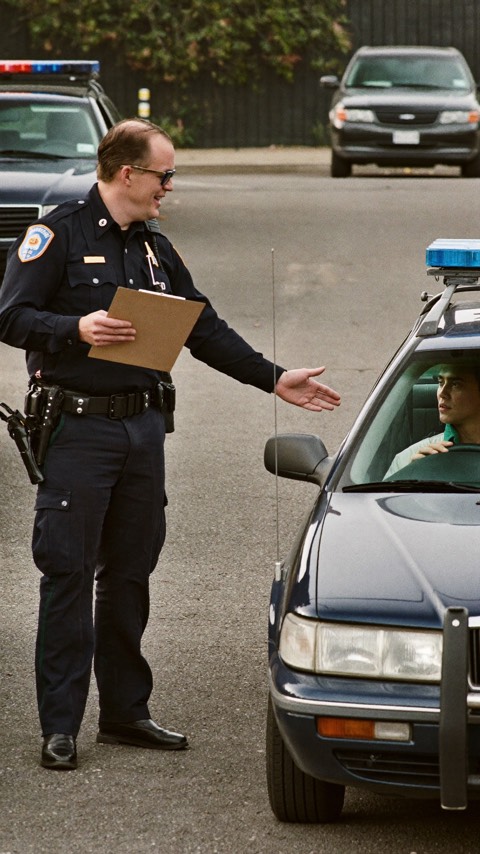
Not always. For minor crashes with no injuries, officers in some areas won't respond, and you may be directed to file a report yourself. If an officer does come, that's the moment to ask two questions: how do I get a copy of this report, and what's the report number?
How to get a copy
The general process: the report is usually available a few days to a couple of weeks after the crash, from the responding agency (city police, county sheriff, or highway patrol). Many agencies let you request it online, by mail, or in person, sometimes for a small fee. The report number and the date make the request much faster.
If you couldn't get the number at the scene
It happens, especially on a stressful day. You can usually still track the report down with the date, location, and the names of those involved. It's more phone calls, but it's findable.
Keep it with everything else
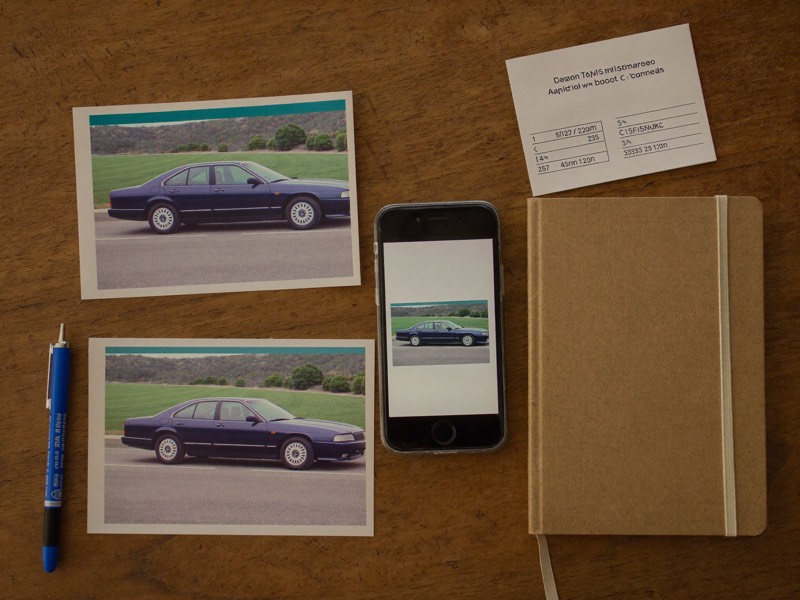
Once you have the report or its number, it goes in the same folder as your photos, medical records, and receipts. Here's the full list of what's worth keeping.
If you’d like a free consultation with an independent participating law firm, just reach out.
Sources
- National Highway Traffic Safety Administration (nhtsa.gov)
- Centers for Disease Control and Prevention — Transportation Safety (cdc.gov)
- USA.gov — Motor vehicle services and accident basics (usa.gov)